The strongest CR 1 monster in the 2024 SRD, decided by 6.8 million simulated battles
Every land-or-air CR 1 creature in the 2024 SRD fights round-robin across 6.8M simulations. See the winner and cross table.
Which CR 1 monster in core D&D 2024 actually wins fights? I pitted every land-or-air CR 1 creature against every other CR 1 creature, 1v1, on a blank 20x20 grid, 10,000 times each. That is 26 creatures, 676 matchups, 6,760,000 simulated battles. The cross table below shows the red side's win percentage. Click any cell to load that fight in the simulator and watch it play out.
Aquatic-only creatures (Swarm of Piranhas, Giant Octopus) are excluded - they belong in water, not on a flat grid against a flying eagle.
| red \ blue |  Animated Armor Animated Armor |  Dryad Dryad |  Giant Eagle Giant Eagle |  Goblin Boss Goblin Boss |  Imp Imp |  Giant Hyena Giant Hyena |  Hippogriff Hippogriff |  Bugbear Bugbear | 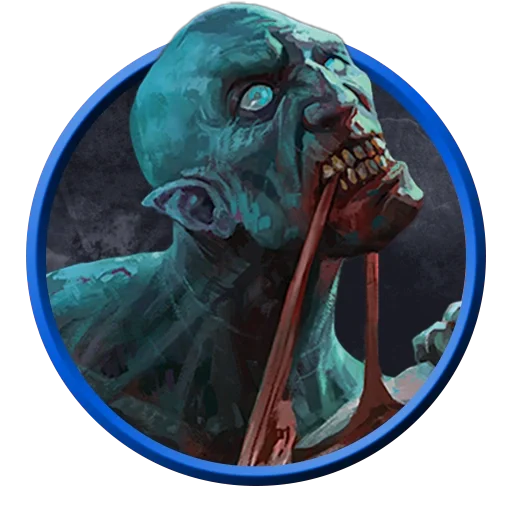 Ghoul Ghoul | 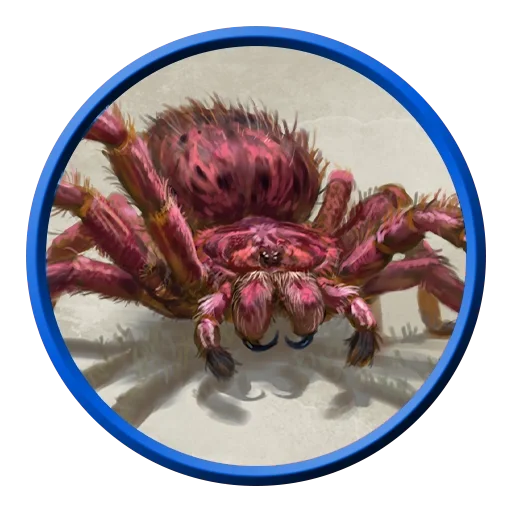 Giant Spider Giant Spider | 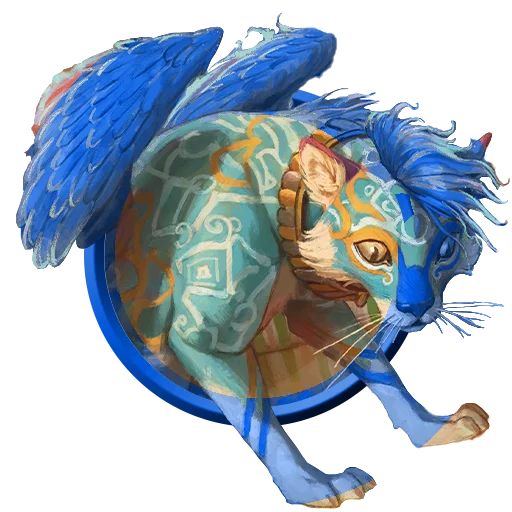 Sphinx of Wonder Sphinx of Wonder | 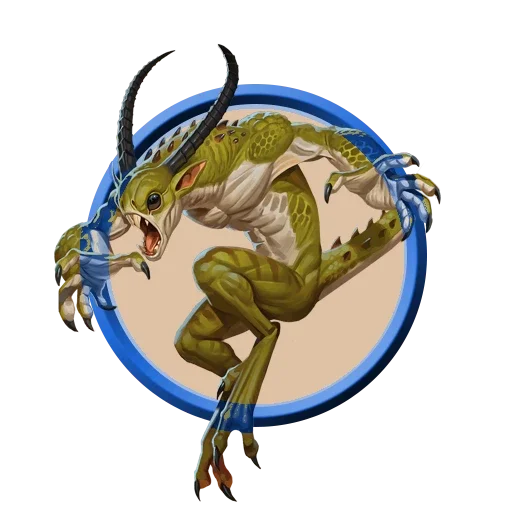 Quasit Quasit |  Lion Lion |  Specter Specter |  Pirate Pirate |  Tiger Tiger |  Death Dog Death Dog |  Giant Toad Giant Toad |  Bugbear Warrior Bugbear Warrior |  Brown Bear Brown Bear |  Dire Wolf Dire Wolf |  Giant Vulture Giant Vulture |  Copper Dragon Wyrmling Copper Dragon Wyrmling |  Spy Spy |  Brass Dragon Wyrmling Brass Dragon Wyrmling |  Harpy Harpy | avg |
|---|---|---|---|---|---|---|---|---|---|---|---|---|---|---|---|---|---|---|---|---|---|---|---|---|---|---|---|
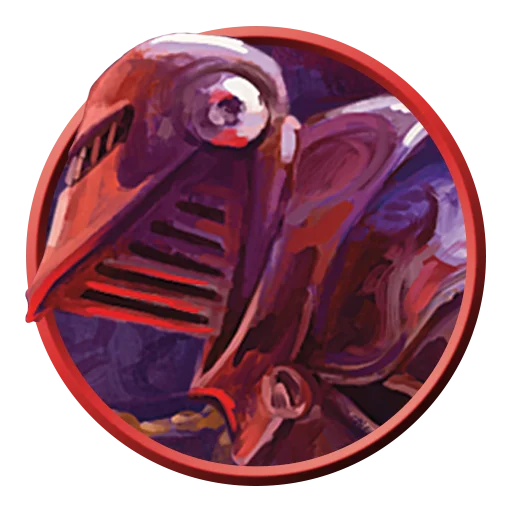 Animated Armor Animated Armor | 50 | 29 | 58 | 23 | 90 | 62 | 74 | 71 | 80 | 95 | 80 | 92 | 77 | 87 | 80 | 80 | 93 | 99 | 85 | 91 | 89 | 96 | 94 | 100 | 93 | 99 | 80 |
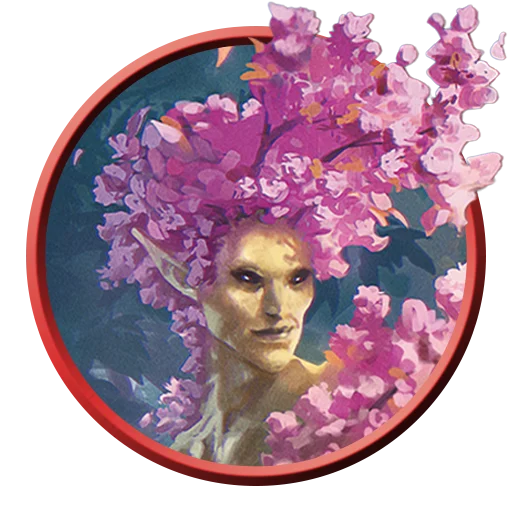 Dryad Dryad | 70 | 50 | 49 | 47 | 52 | 58 | 64 | 62 | 83 | 76 | 84 | 85 | 74 | 82 | 100 | 80 | 87 | 81 | 100 | 93 | 83 | 88 | 88 | 72 | 91 | 96 | 77 |
 Giant Eagle Giant Eagle | 43 | 52 | 50 | 54 | 43 | 63 | 69 | 63 | 78 | 64 | 85 | 83 | 84 | 83 | 70 | 81 | 83 | 78 | 78 | 92 | 93 | 93 | 91 | 86 | 92 | 98 | 75 |
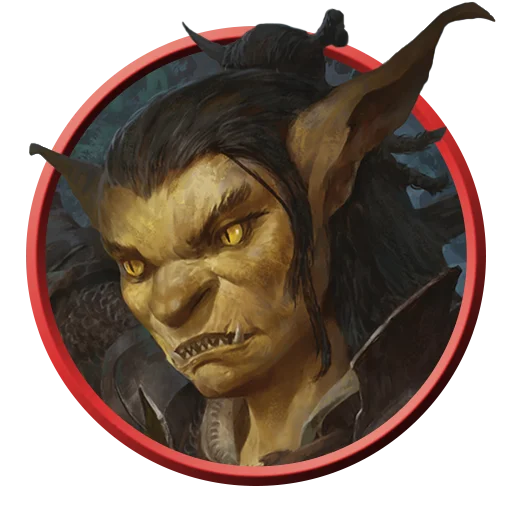 Goblin Boss Goblin Boss | 77 | 53 | 47 | 50 | 49 | 55 | 62 | 60 | 81 | 70 | 85 | 75 | 72 | 78 | 100 | 75 | 82 | 77 | 100 | 91 | 81 | 87 | 86 | 74 | 85 | 97 | 75 |
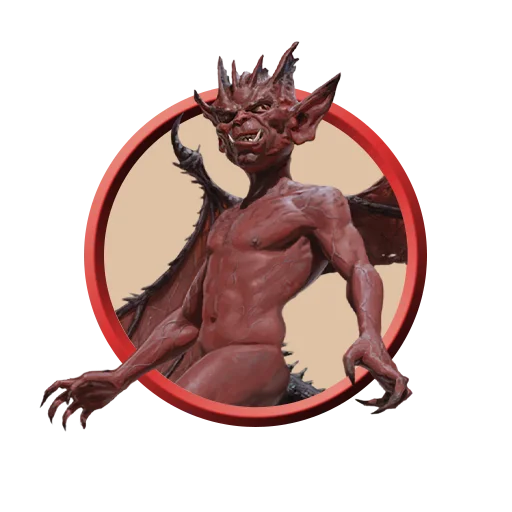 Imp Imp | 10 | 48 | 57 | 52 | 50 | 76 | 74 | 74 | 19 | 96 | 61 | 46 | 90 | 5 | 81 | 86 | 95 | 100 | 86 | 96 | 95 | 97 | 93 | 100 | 96 | 99 | 72 |
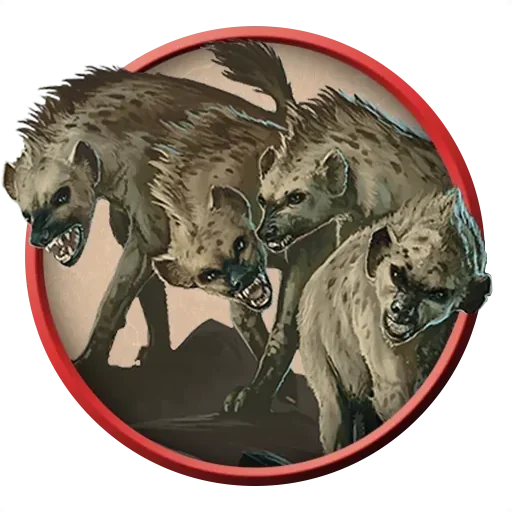 Giant Hyena Giant Hyena | 37 | 50 | 37 | 53 | 23 | 50 | 57 | 62 | 73 | 59 | 72 | 82 | 72 | 82 | 65 | 77 | 82 | 76 | 76 | 90 | 88 | 93 | 90 | 98 | 91 | 98 | 70 |
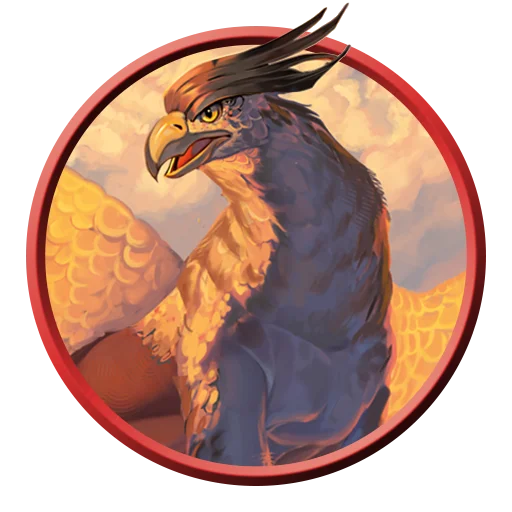 Hippogriff Hippogriff | 26 | 36 | 31 | 37 | 26 | 43 | 50 | 47 | 67 | 49 | 77 | 64 | 74 | 69 | 52 | 68 | 67 | 63 | 64 | 85 | 88 | 87 | 85 | 79 | 88 | 96 | 62 |
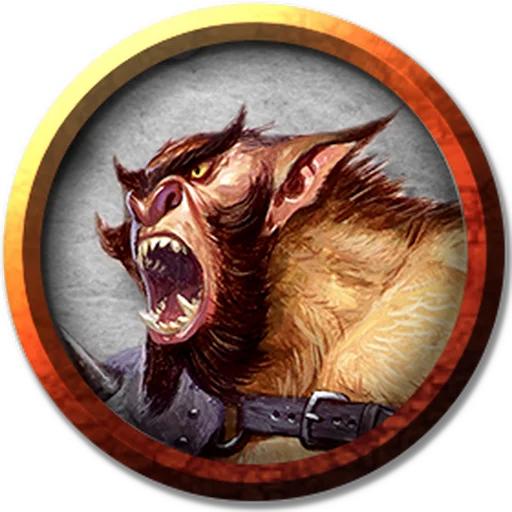 Bugbear Bugbear | 29 | 37 | 38 | 41 | 25 | 38 | 53 | 50 | 62 | 47 | 62 | 67 | 58 | 70 | 56 | 62 | 66 | 62 | 67 | 77 | 74 | 85 | 81 | 86 | 81 | 91 | 60 |
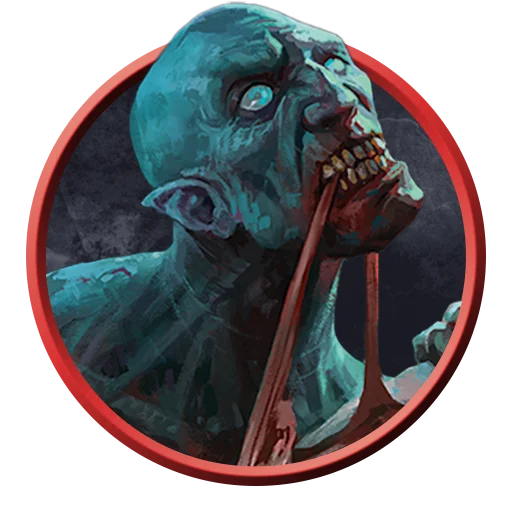 Ghoul Ghoul | 20 | 18 | 21 | 19 | 79 | 26 | 33 | 37 | 51 | 79 | 34 | 86 | 39 | 22 | 53 | 56 | 60 | 91 | 66 | 66 | 65 | 68 | 74 | 99 | 69 | 86 | 55 |
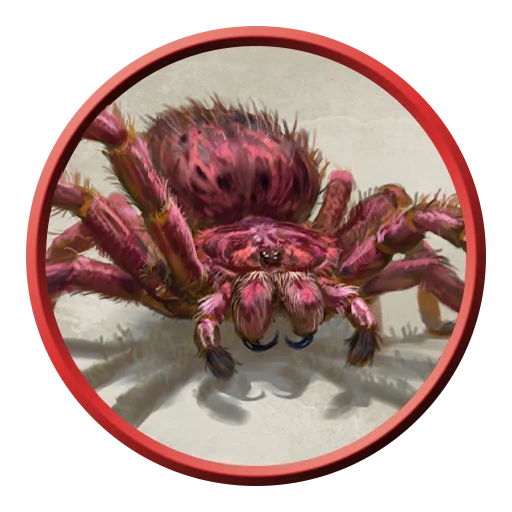 Giant Spider Giant Spider | 5 | 25 | 36 | 31 | 3 | 40 | 51 | 52 | 21 | 50 | 59 | 19 | 53 | 27 | 52 | 65 | 69 | 62 | 63 | 74 | 75 | 86 | 80 | 90 | 78 | 92 | 52 |
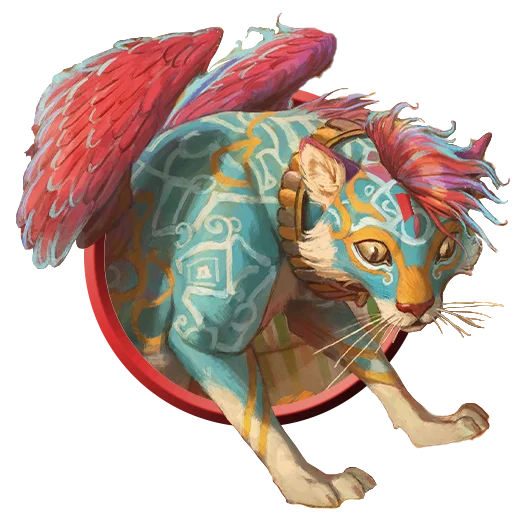 Sphinx of Wonder Sphinx of Wonder | 21 | 16 | 15 | 14 | 39 | 27 | 23 | 37 | 66 | 40 | 50 | 78 | 60 | 98 | 35 | 48 | 49 | 44 | 48 | 70 | 73 | 63 | 63 | 75 | 77 | 77 | 50 |
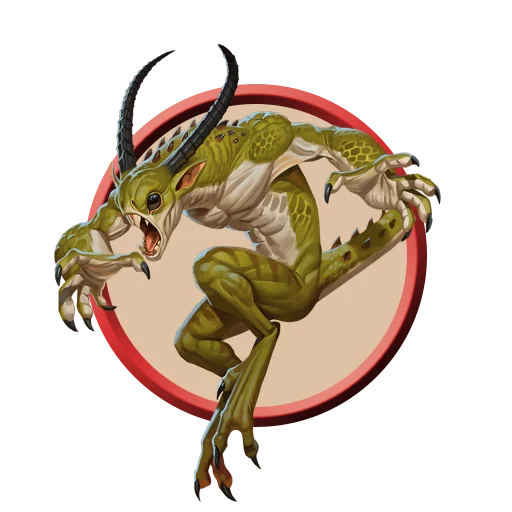 Quasit Quasit | 8 | 15 | 17 | 25 | 50 | 17 | 36 | 34 | 13 | 81 | 21 | 50 | 45 | 4 | 29 | 47 | 62 | 97 | 48 | 71 | 73 | 91 | 83 | 100 | 87 | 95 | 50 |
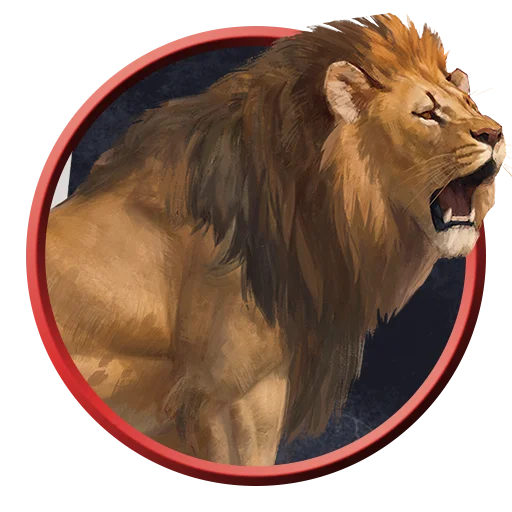 Lion Lion | 23 | 33 | 16 | 35 | 10 | 27 | 26 | 41 | 62 | 47 | 39 | 56 | 49 | 51 | 43 | 58 | 58 | 54 | 58 | 78 | 70 | 72 | 72 | 74 | 66 | 82 | 50 |
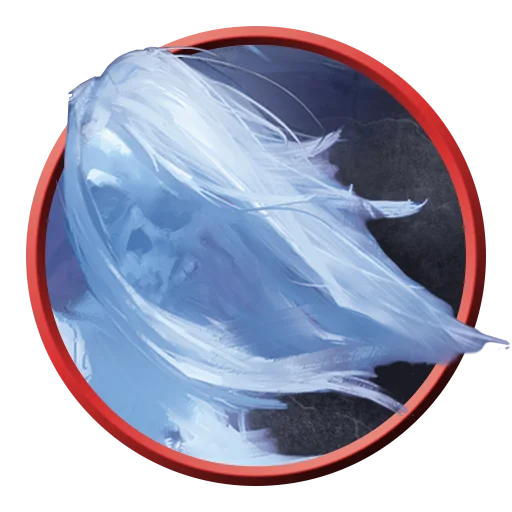 Specter Specter | 12 | 19 | 17 | 22 | 95 | 18 | 32 | 29 | 76 | 72 | 2 | 95 | 49 | 0 | 27 | 44 | 48 | 89 | 38 | 67 | 73 | 22 | 74 | 100 | 82 | 88 | 50 |
 Pirate Pirate | 19 | 0 | 31 | 0 | 17 | 36 | 48 | 44 | 47 | 47 | 65 | 70 | 57 | 72 | 0 | 65 | 62 | 61 | 0 | 72 | 82 | 90 | 89 | 0 | 88 | 96 | 48 |
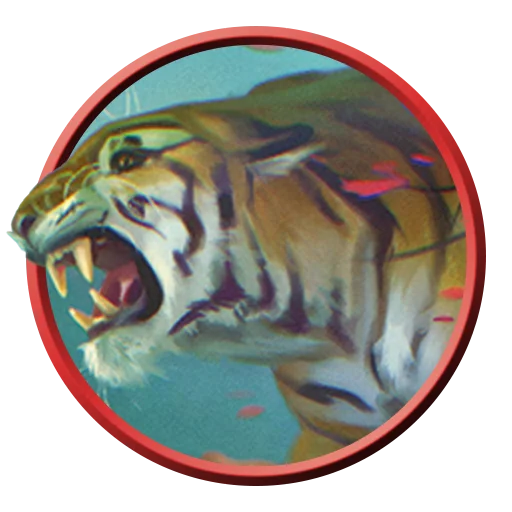 Tiger Tiger | 19 | 19 | 20 | 26 | 13 | 22 | 32 | 39 | 45 | 34 | 53 | 54 | 41 | 54 | 35 | 51 | 50 | 45 | 51 | 64 | 68 | 78 | 78 | 88 | 78 | 87 | 48 |
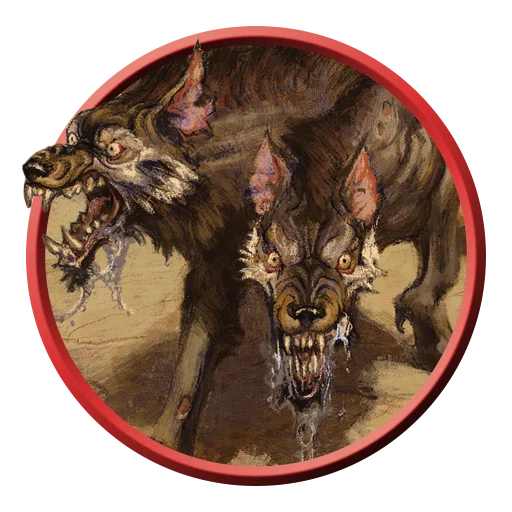 Death Dog Death Dog | 7 | 13 | 16 | 17 | 5 | 19 | 34 | 34 | 40 | 32 | 50 | 39 | 41 | 51 | 38 | 49 | 51 | 47 | 57 | 70 | 72 | 85 | 82 | 81 | 82 | 93 | 46 |
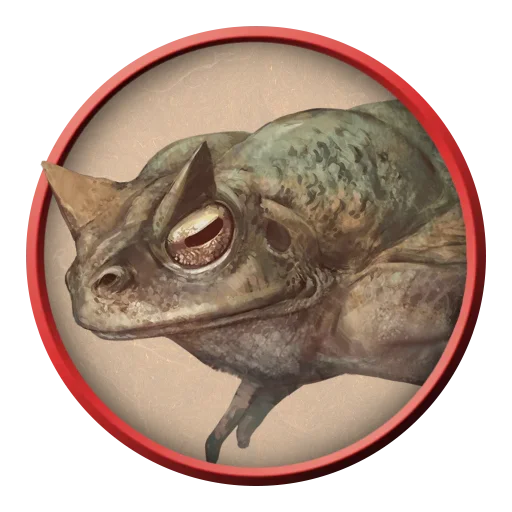 Giant Toad Giant Toad | 1 | 18 | 22 | 23 | 0 | 24 | 37 | 39 | 9 | 37 | 56 | 3 | 45 | 9 | 40 | 55 | 52 | 50 | 53 | 70 | 71 | 82 | 79 | 89 | 80 | 90 | 44 |
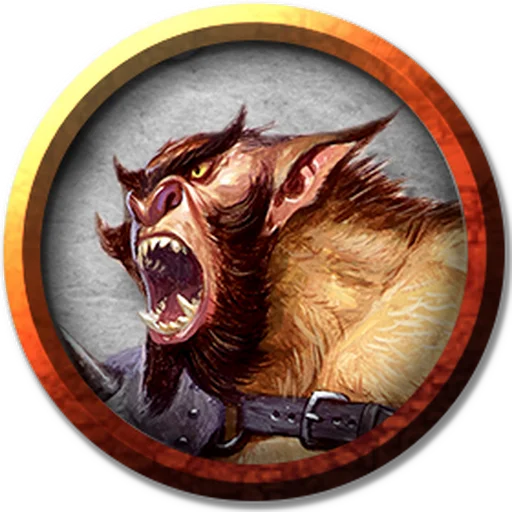 Bugbear Warrior Bugbear Warrior | 15 | 0 | 23 | 0 | 14 | 24 | 36 | 34 | 34 | 37 | 51 | 52 | 41 | 59 | 0 | 50 | 42 | 47 | 0 | 52 | 66 | 79 | 76 | 0 | 75 | 88 | 38 |
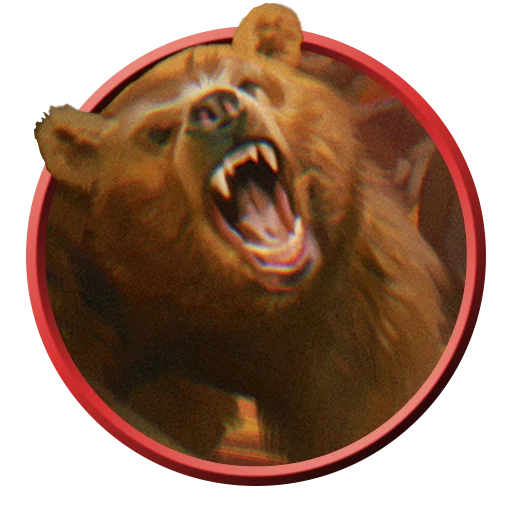 Brown Bear Brown Bear | 8 | 6 | 8 | 9 | 4 | 10 | 16 | 23 | 34 | 26 | 30 | 30 | 21 | 33 | 30 | 37 | 29 | 30 | 37 | 50 | 52 | 63 | 64 | 51 | 63 | 72 | 32 |
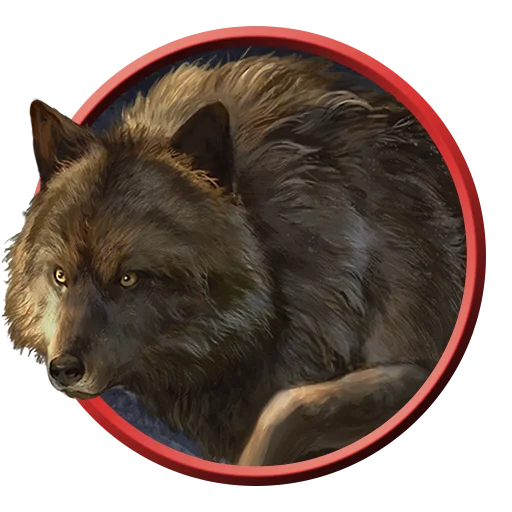 Dire Wolf Dire Wolf | 11 | 20 | 7 | 23 | 5 | 13 | 13 | 26 | 34 | 26 | 27 | 26 | 30 | 26 | 18 | 33 | 29 | 30 | 35 | 49 | 50 | 53 | 55 | 73 | 55 | 60 | 32 |
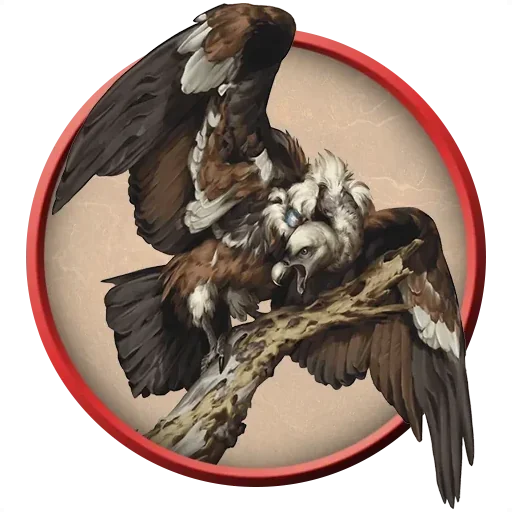 Giant Vulture Giant Vulture | 3 | 11 | 6 | 13 | 3 | 7 | 13 | 15 | 31 | 14 | 36 | 10 | 28 | 78 | 10 | 22 | 15 | 19 | 21 | 38 | 47 | 50 | 49 | 66 | 60 | 61 | 28 |
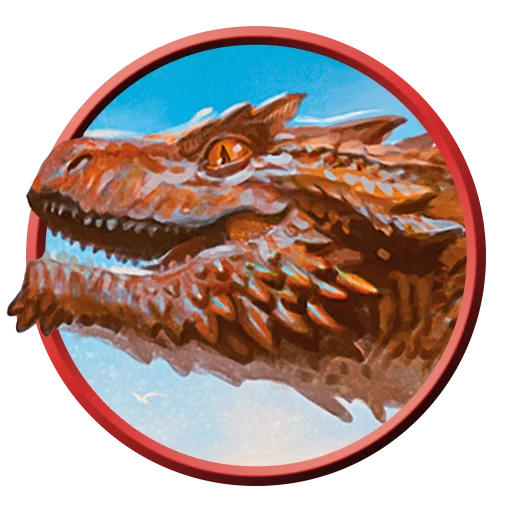 Copper Dragon Wyrmling Copper Dragon Wyrmling | 6 | 11 | 9 | 15 | 8 | 10 | 15 | 19 | 26 | 19 | 37 | 17 | 27 | 26 | 11 | 22 | 17 | 21 | 23 | 36 | 44 | 50 | 49 | 63 | 55 | 58 | 27 |
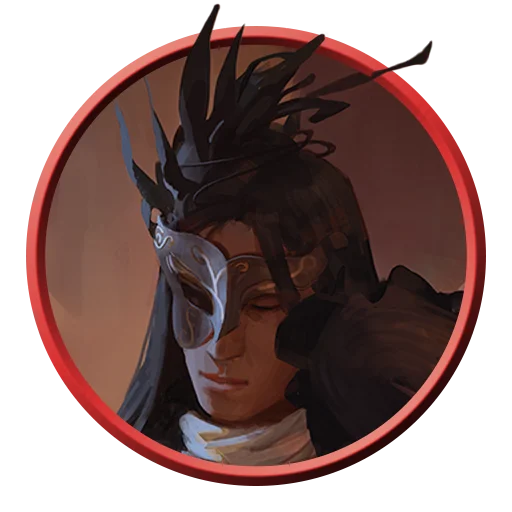 Spy Spy | 0 | 28 | 13 | 26 | 0 | 3 | 21 | 15 | 1 | 10 | 26 | 0 | 26 | 0 | 100 | 12 | 18 | 11 | 100 | 48 | 28 | 34 | 37 | 50 | 43 | 39 | 26 |
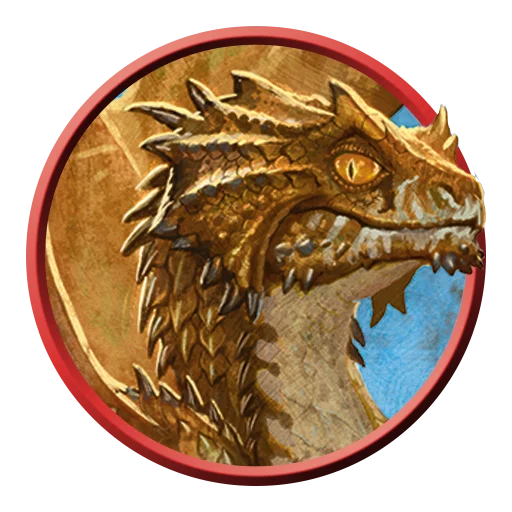 Brass Dragon Wyrmling Brass Dragon Wyrmling | 6 | 8 | 8 | 15 | 4 | 10 | 13 | 20 | 29 | 21 | 23 | 13 | 33 | 18 | 12 | 22 | 17 | 21 | 24 | 37 | 45 | 40 | 44 | 56 | 50 | 51 | 25 |
 Harpy Harpy | 1 | 3 | 2 | 3 | 1 | 2 | 4 | 9 | 15 | 8 | 24 | 5 | 19 | 12 | 4 | 13 | 7 | 8 | 12 | 28 | 40 | 39 | 43 | 60 | 49 | 50 | 18 |
How to read the table
Rows are the red side, columns are the blue side. Each cell is the percentage of 10,000 battles in which red won. The diagonal is striped because mirror matchups average out to ~50% by definition. The far-right "avg" column is each creature's mean win rate across the row.
Rows and columns are sorted by that average, so the strongest creatures cluster top-left and the weakest bottom-right. Reading the diagonal from top-left to bottom-right keeps you near 50% (similar strength creatures fighting each other); off-diagonal, the colors deepen with the mismatch.
The top tier
Six creatures clear the 70% bar: Animated Armor (80.8%), Dryad (77.6%), Giant Eagle (75.9%), Goblin Boss (75.5%), Imp (73.5%), and Giant Hyena (71.1%). They get there by six visibly different routes:
- Animated Armor is the AC tank. AC 18, multiattack of two Slams for 1d6+2 each, and a stack of condition immunities (charmed, exhausted, frightened, paralyzed, poisoned, and more). It punishes most CR 1 attackers with a wall they cannot crack and a punch that chips through every round. The matchups it loses are the ones that don't try to break through it: Dryad, Goblin Boss, and Giant Hyena all out-trade it on damage per round.
- Dryad is the spellcaster of the bracket. Innate casting of Druidcraft, Entangle, Goodberry, and Charm Person plus a Shillelagh melee gives it both control and follow-through. Entangle restrains a single durable target while Shillelagh chips it down. The Dryad beats Animated Armor 72% as red because Entangle restrains the construct and the construct's poison immunity does nothing against force/radiant magic.
- Goblin Boss is a multiattack swarm in one body: Scimitar plus Shortbow, AC 17, and Nimble Escape giving it a bonus-action Disengage every turn. It never gets locked into a bad melee, never provokes opportunity attacks, and punches well above its 21 HP. The Boss is the only top-tier creature with a serious ranged option, and that is what lets it close out flying matchups.
- Imp is a glass cannon held together by resistance and mobility. It has only 21 HP and AC 13, but resistance to nonmagical bludgeoning / piercing / slashing means most CR 1 weapons shave half their damage. Add poison immunity, fly 40, and Invisibility at will, and the Imp picks the engagement against any grounded melee opponent. Its weakness is forced trades against creatures that hit through its resistance: Animated Armor's slam still gets shaved but the construct is poison-immune and tanks back hard, so the Imp loses that one 90/10.
- Giant Eagle wins by altitude. With Fly 80 and a grounded melee opponent, it picks the engagement. Its Rend deals piercing plus a 1d6 radiant rider, which lands cleanly on the bracket's undead and constructs. The matchups it does not dominate are the other flyers (Hippogriff, the two metallic Wyrmlings, Giant Vulture) and the few creatures with a serviceable ranged threat.
- Giant Hyena is the simplest entry on the top shelf: 45 HP, AC 12, single Bite for 2d6+3. No tricks, no resistances, just a big body and a hard hit. Most CR 1 stat blocks cannot finish 45 HP fast enough, and the Hyena's damage per round is high enough to outlast almost everything that does not multiattack.
The middle pack
The 50-70% band is where the bracket actually plays out interestingly. Hippogriff (62.6%) and Bugbear (60.6%) both lean on multiattack: the Hippogriff with Beak + Claws from the air, the Bugbear with a 10 ft reach Morningstar that shrugs off most opening moves.
Ghoul (54.8%) and Giant Spider (52.4%) round out the bracket's "good enough to pick a side" tier. The Ghoul's paralyzing claw can lock a victim out of the fight; the Spider's web and poison bite keep ranged-light opponents on the defensive.
Around the 50% line sits a cluster of creatures that win and lose by inches: Pirate (52.3%), Specter (51.9%), Sphinx of Wonder (50.4%), Quasit (50.1%), Lion (49.8%). The Specter is the most interesting of the group: 22 HP and AC 12 sounds fragile, but its nonmagical damage resistance plus a fly speed makes it a wall the bracket can chip but not break, until it runs into a creature with a bow.
The floor
The bottom of the table is dominated by creatures whose stat blocks say "predator" but whose damage profile cannot keep up with the average defenses in the bracket. Tiger (47.8%), Death Dog (46.4%), Giant Toad (43.5%) and Bugbear Warrior (42.1%) all land somewhere between "real threat" and "loses the 1v1 by small margins." All four are reasonable in a DM's hands but the format rewards multiattack and ranged options over single-attack ambushers.
Below 40% the picture gets bleak. Brown Bear (31.7%) and Dire Wolf (30.9%) both get out-traded by anyone with multiattack; their single big strike is too slow to convert HP into kills before they bleed out. Spy (25.6%) has a good Sneak Attack but only one attack per round and AC 12.
At the bottom of the bracket sits an unusual cluster of flyers and skirmishers. The Brass and Copper Dragon Wyrmlings (23.6% and 25.8%) look great on paper - they fly, they breathe weapons - but their AC 15-17, low HP (~15-22), and breath weapon recharge mean a CR 1 melee opponent can usually drop them out of the sky before the breath weapon comes back online. Giant Vulture (27.1%) loses for the same reason: ranged opponents shoot it down, melee opponents that can fly catch it.
At the absolute bottom: Harpy at 16.4%. The Harpy's signature ability is Luring Song, a Wisdom save that drags a charmed target toward its claws. In a 1v1 against a Wisdom-strong target like the Dryad, that engine misfires (the Harpy wins 4% of those); against a low-Wisdom melee bruiser, the bruiser still hits harder than the Harpy can claw back. The Harpy wants a low-Wis cliffside victim, not a fair fight.
Strong but situational
A 1v1 on a blank grid is a narrow filter. Several CR 1 creatures are designed for conditions this format strips away. Their win rates here understate how dangerous they are at the table:
- Harpy (16.4%) is a cliffside ambusher. Luring Song is built to drag a charmed flier or low-Wis melee target into a long fall. Put one on a 60 ft ledge and a low-Wisdom party and you get a different fight than this table shows.
- Brass and Copper Dragon Wyrmlings (23.6%, 25.8%) have breath weapons sized for crowds, not duels. The Brass Dragon's Sleep Breath is a cascading save: first failure inflicts Incapacitated until end of next turn, second failure inflicts Unconscious for a minute. The simulator models the full cascade. In 1v1 the second-stage Unconscious lands in about 17% of fights, and even that does not save the wyrmling - 22 HP and AC 15 fold under any CR 1 follow-up. Against four weaker creatures the same cone hits everyone, and the lottery almost always wins.
- Giant Vulture (27.1%) has Pack Tactics. The trait is dead weight in a 1v1. Put two of them up against a single target and their advantage on every attack roll suddenly matters; the same creature in a flock is a real threat.
- Spy (25.6%) is built around Sneak Attack, which the engine grants when an ally is adjacent or the target is the spy's only foe. The 1v1 format gives the second condition for free, but the Spy still has only one attack per round, AC 12, and 27 HP. It is built to operate behind a frontline, not in front of one. Drop it into a 4v4 with a Bandit and a Bugbear screening for it and the picture changes.
- Specter (51.9%) is mid-table here, but the matchup variance is enormous: it crushes low-AC ground creatures and gets shot out of the sky by anyone with a bow. Against a scattered group of fragile melee enemies, the Specter is a top-tier threat that this format hides.
- Sphinx of Wonder (50.4%) is a Tiny radiant caster designed as a familiar or support piece. It has spell slots, telepathy, and an at-will Detect Evil and Good. In a 1v1 it casts what it can and dies; on a wizard's shoulder it is a completely different creature.
- Goblin Boss (75.5%) is the only top-tier creature on this list. It already wins the bracket, but its Redirect Attack reaction is meant to swap an incoming hit onto an adjacent goblin minion. Take that minion away and the Boss loses a defining piece of its kit. With five Goblin Warriors backing it up, every attack the Boss takes is an attack a minion takes instead, and the Boss never dies first.
- Bugbear Warrior (42.1%) and Death Dog (46.4%) both lean on opening turns the format does not give them. Bugbear's Surprise Attack rider deals an extra 2d6 only on a surprised target; Death Dog's Bite inflicts a long-term disease that matters across days, not rounds. Both creatures look bigger in a story than in a stat-block trade.
Closest fights worth watching
These matchups land within a percentage point of even, the ones where the dice actually decide:
- Bugbear Warrior vs Tiger (49.6 / 50.4): reach weapon versus a heavy pounce.
- Death Dog vs Tiger (49.6 / 50.4): two heads of bite versus one big pounce.
- Copper Dragon Wyrmling vs Giant Vulture (50.6 / 49.4): the flier mirror match.
- Lion vs Specter (50.8 / 49.2): pounce-and-bite versus a half-resistant ghost; whichever lands first wins.
- Death Dog vs Sphinx of Wonder (50.8 / 49.2): pack-tactics bite versus a tiny radiant caster.
- Giant Hyena vs Goblin Boss (49.1 / 50.9): the floor of the top tier rubbing up against the ceiling of the middle.
- Goblin Boss vs Imp (48.8 / 51.2): shoot-and-disengage versus invisible flyer; the bow finds the Imp just often enough to keep this honest.
- Brass Dragon Wyrmling vs Harpy (51.1 / 48.9): two of the bracket's worst creatures find each other - Sleep Breath versus Luring Song, Con save versus Wis save.
What the data does not say
This is 1v1 on a blank grid with both sides on the default Smart tactic. Most CR 1 creatures are designed to fight in groups, on terrain, or in encounters where one side has an advantage of position or numbers. The Specter reads differently against a low-AC mob scattered across a wide map than against a single durable target. The Goblin Boss is much scarier with five Goblin Warriors backing it up than alone. The Harpy belongs on a cliff. Treat the table as a compass for the simulator, not a CR rebalance.
The combat engine is what it is as of 4/27/2026. The numbers above are a snapshot. The next engine improvement will move some rankings.
Try it yourself
Click any cell above to load that 1v1 in the simulator. Hit Start Battle to watch a single fight, or Monte Carlo to re-run the matchup with whatever you want to change: tactic, map, third creature. Every cell in this table is one click away from a playable scenario.
What is next
This is the first of a planned series of large-scale tournament posts. Likely follow-ups:
- The same round-robin at CR 2, CR 3, and CR 5, so the brackets are comparable.
- Hero classes vs CR-appropriate monsters: what level 5 party crushes a Manticore, what level 3 party gets crushed by one.
- Group dynamics: 5 goblins vs 1 ogre and similar asymmetric formats, where the table above stops being predictive.
- Map effects: the same matchups on terrain (forests, dungeons, walled keeps) to see how cover and chokepoints shift outcomes.