D&D 5e Class Power Curve: Who Scales Hardest from Level 1 to 20?
D&D 5e class power curve tested from level 1 to 20: 12 classes, 504K simulations, monster ladder scores, PvP side data, and scaling analysis.
D&D 5e class scaling, tested
D&D 5e Class Power Curve: Who Scales Hardest from Level 1 to 20?
I tested every BattleCast-supported 2024 class from level 1 through level 20 against the same monster ladder, then added PvP duels as a second lens. The headline answer is messy in the good way: Cleric starts best, Paladin spikes early, Fighter and Rogue wake up hard in tier 3, Bard and Ranger arrive late, Monk climbs the most, Sorcerer edges the best average curve, and Barbarian owns level 20.
 Monk#11 to #2
Climbed 9 places from level 1 to level 20.
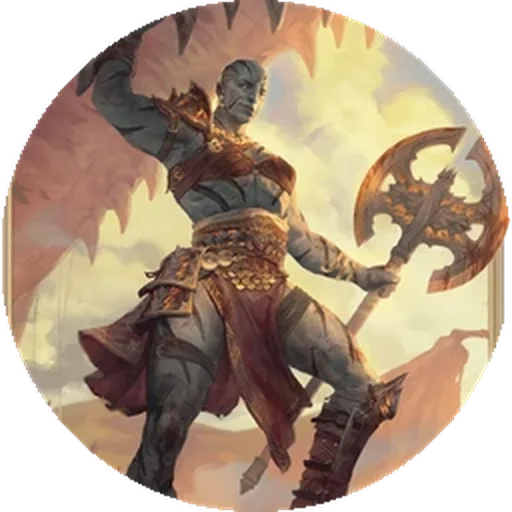 Barbarian99.7 score
18/18 encounters at 80%+ win rate.
 Sorcerer51.9 average
The strongest full-run average across all 20 levels.
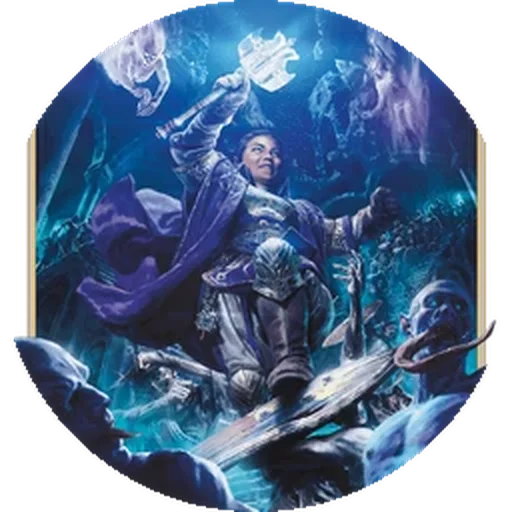 Cleric14.7 score
6/18 encounters at coin-flip or better.
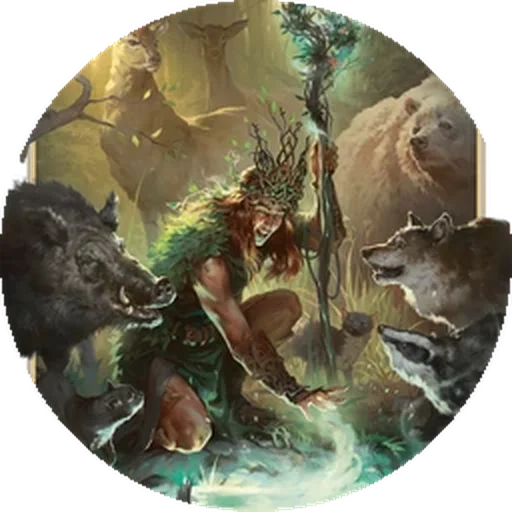 Druid+28.9
From level 14 to 15.
The short version
If the question is "who scales hardest by rank?", the answer in this benchmark is Monk. It moved from #11 at level 1 to #2 at level 20, finishing at 97.9 with 18/18 encounters at 80%+ win rate.
If the question is "who is strongest across the whole ride?", the best average score narrowly belongs to Sorcerer. It does not start as high as Cleric and it does not finish as the level-20 winner, but it spends more of the 1-20 journey in a strong band than anyone else.
At level 20, the top five monster-ladder classes were Barbarian (99.7), Monk (97.9), Fighter (89.3), Warlock (87.8), Sorcerer (86.7). That ranking is not the same as the PvP ranking, and it is not a campaign utility ranking. It is a combat benchmark: four copies of a class, smart tactics, one fresh fight, one fixed ladder.
The full power curve
Same-class parties are noisy in the middle, so the chart opens on the main story classes instead of drawing every line at once. Cleric starts high, Paladin spikes at 5, Ranger and Warlock tell different late-game stories, Monk climbs hardest by rank, and Barbarian owns the finish.
How the score works
Power Score is a challenge-weighted win rate across the same 18 encounters. For every class and level, BattleCast ran 100 trials against each encounter, then used this formula:
Score = 100 x sum(encounter win rate x encounter weight) / sum(encounter weights)
The total encounter weight is 94.4. The Tarrasque has weight 10.0, the Ancient Red Dragon 9.3, and the opening Goblin Warrior patrol 1.0. That means farming easy fights helps, but climbing into harder monsters matters more.
18/18 encounters at 80%+ win rate, with the hardest coin-flip-or-better clear being Tarrasque.
Milestone rankings
The checkpoint table is the fastest way to see how much the answer changes by tier. Level 1 looks like an armor-and-healing question. Level 5 rewards early nova and extra attacks. By level 15, several late packages suddenly matter: Bard, Druid, Ranger, Fighter, and Rogue all tell a different story than they did in tier 1.
| Class | L1 | L5 | L10 | L15 | L20 | Rank move | Average | First 50+ | Hardest L20 clear |
|---|---|---|---|---|---|---|---|---|---|
| Monk | 3.5 | 22.1 | 47.8 | 57.5 | 97.9 | #11 to #2 | 44.6 | L11 | Tarrasque |
 Warlock Warlock | 4.9 | 17.5 | 29.6 | 76.5 | 87.8 | #10 to #4 | 44.0 | L13 | Ancient Red Dragon |
 Fighter Fighter | 6.0 | 17.9 | 44.3 | 79.6 | 89.3 | #8 to #3 | 50.0 | L11 | Ancient Red Dragon |
| Barbarian | 7.0 | 29.0 | 44.5 | 61.0 | 99.7 | #5 to #1 | 48.0 | L11 | Tarrasque |
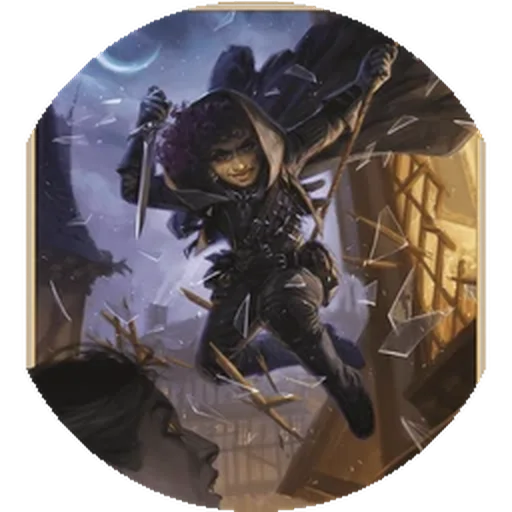 Rogue Rogue | 5.5 | 15.9 | 54.6 | 76.3 | 85.9 | #9 to #6 | 49.6 | L10 | Ancient Red Dragon |
| Druid | 2.5 | 11.0 | 34.2 | 66.8 | 75.8 | #12 to #10 | 36.9 | L15 | Lich |
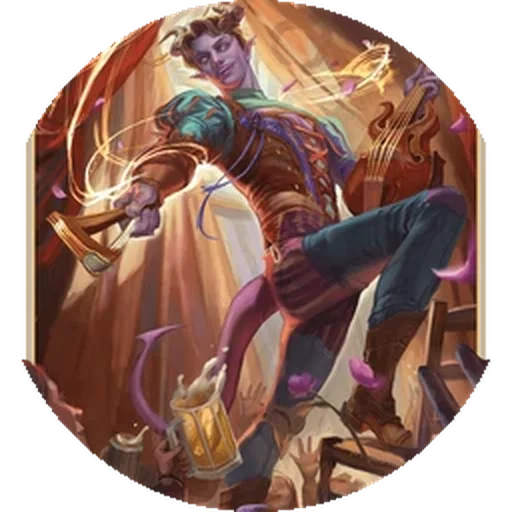 Bard Bard | 6.0 | 21.7 | 43.4 | 74.7 | 82.3 | #7 to #7 | 47.7 | L11 | Lich |
| Sorcerer | 7.8 | 28.9 | 50.8 | 69.1 | 86.7 | #3 to #5 | 51.9 | L10 | Lich |
 Wizard Wizard | 6.7 | 22.3 | 21.8 | 40.6 | 61.3 | #6 to #11 | 31.8 | L17 | Lich |
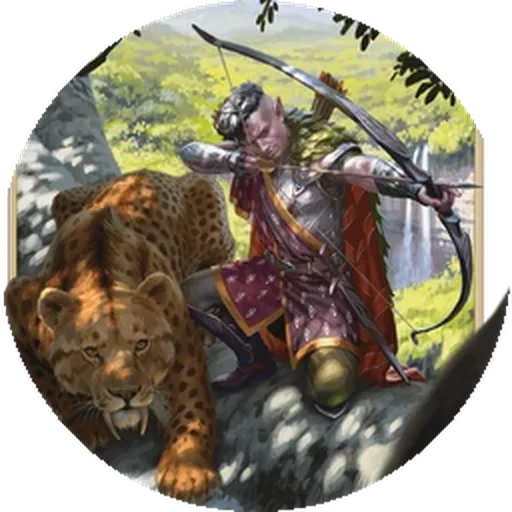 Ranger Ranger | 8.9 | 29.8 | 37.8 | 69.7 | 80.1 | #2 to #8 | 45.0 | L15 | Lich |
| Cleric | 14.7 | 30.1 | 52.4 | 69.4 | 80.0 | #1 to #9 | 51.8 | L10 | Lich |
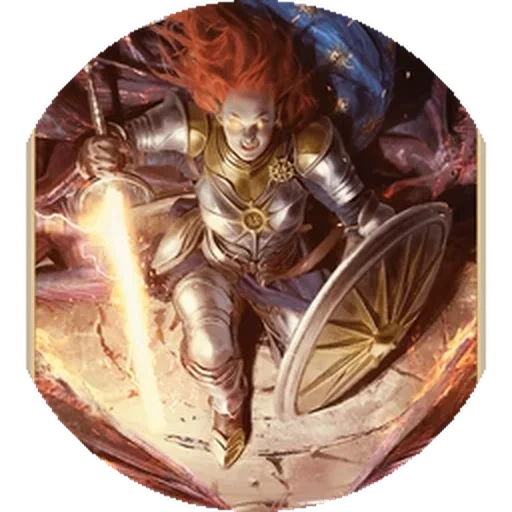 Paladin Paladin | 7.4 | 40.0 | 47.3 | 49.9 | 58.2 | #4 to #12 | 41.6 | L14 | Balor |
Power score heatmap
This is the same data as the curve, but easier to scan by class. Dark red means the class is still mostly losing the weighted ladder. Green means the class has pushed into the hard end of the benchmark.
| Class | L1 | L2 | L3 | L4 | L5 | L6 | L7 | L8 | L9 | L10 | L11 | L12 | L13 | L14 | L15 | L16 | L17 | L18 | L19 | L20 |
|---|---|---|---|---|---|---|---|---|---|---|---|---|---|---|---|---|---|---|---|---|
| Barbarian | 7 | 11 | 13 | 15 | 29 | 33 | 34 | 39 | 41 | 45 | 56 | 58 | 62 | 60 | 61 | 66 | 75 | 75 | 83 | 100 |
| Monk | 4 | 6 | 12 | 13 | 22 | 22 | 30 | 39 | 44 | 48 | 51 | 53 | 56 | 57 | 58 | 58 | 68 | 75 | 79 | 98 |
| Fighter | 6 | 8 | 9 | 11 | 18 | 26 | 30 | 34 | 39 | 44 | 58 | 62 | 77 | 79 | 80 | 80 | 80 | 82 | 88 | 89 |
| Warlock | 5 | 7 | 11 | 13 | 18 | 19 | 17 | 19 | 22 | 30 | 42 | 47 | 57 | 67 | 77 | 80 | 87 | 87 | 88 | 88 |
| Sorcerer | 8 | 10 | 20 | 24 | 29 | 36 | 40 | 45 | 48 | 51 | 55 | 60 | 62 | 65 | 69 | 79 | 82 | 82 | 85 | 87 |
| Rogue | 6 | 7 | 11 | 13 | 16 | 17 | 24 | 36 | 47 | 55 | 63 | 69 | 74 | 74 | 76 | 77 | 79 | 80 | 82 | 86 |
| Bard | 6 | 10 | 13 | 15 | 22 | 33 | 35 | 38 | 42 | 43 | 52 | 55 | 57 | 57 | 75 | 75 | 81 | 81 | 82 | 82 |
| Ranger | 9 | 11 | 17 | 22 | 30 | 32 | 31 | 37 | 42 | 38 | 37 | 40 | 47 | 48 | 70 | 72 | 80 | 79 | 79 | 80 |
| Cleric | 15 | 15 | 18 | 25 | 30 | 36 | 38 | 42 | 44 | 52 | 59 | 63 | 67 | 70 | 69 | 76 | 79 | 80 | 80 | 80 |
| Druid | 3 | 5 | 8 | 9 | 11 | 12 | 18 | 26 | 32 | 34 | 35 | 37 | 41 | 38 | 67 | 70 | 68 | 75 | 76 | 76 |
| Wizard | 7 | 9 | 13 | 14 | 22 | 27 | 19 | 18 | 20 | 22 | 29 | 35 | 38 | 40 | 41 | 45 | 58 | 58 | 60 | 61 |
| Paladin | 7 | 12 | 15 | 19 | 40 | 40 | 42 | 45 | 46 | 47 | 48 | 49 | 49 | 50 | 50 | 52 | 52 | 54 | 55 | 58 |
Four Clerics have armor, healing, and enough early spell pressure to go farther up the ladder than anyone else at the very start.
Extra Attack plus smite pressure is a massive early breakpoint. The curve flattens later, but the level-5 result is not subtle.
Fighter becomes brutally consistent after the extra-attack scaling, Rogue starts deleting important targets, and the late-support classes are about to jump.
The early Monk is fragile in this format. By level 20, its save profile, defenses, and repeatable pressure move it from near the floor to second place.
Level 20: where each class actually breaks
Win-rate tables get noisy at low levels because everything loses to the end of the ladder. At level 20 the pressure is clearer. Click a cell to open that class-vs-encounter setup in BattleCast.
| Class | Beholder | Purple Worm | Adult Red Dragon | Fire Giant + 2 Knights | Balor | Pit Fiend | Lich | Ancient Red Dragon | Tarrasque |
|---|---|---|---|---|---|---|---|---|---|
| Barbarian | 100% | 100% | 100% | 100% | 100% | 100% | 100% | 99% | 98% |
| Monk | 100% | 100% | 100% | 100% | 100% | 100% | 100% | 100% | 80% |
| Fighter | 100% | 100% | 100% | 100% | 100% | 100% | 100% | 99% | 0% |
| Warlock | 99% | 100% | 100% | 100% | 100% | 100% | 100% | 84% | 0% |
| Sorcerer | 100% | 100% | 100% | 100% | 100% | 100% | 100% | 38% | 32% |
| Rogue | 51% | 100% | 100% | 100% | 100% | 100% | 100% | 93% | 0% |
| Bard | 100% | 100% | 100% | 100% | 100% | 100% | 100% | 28% | 0% |
| Ranger | 99% | 100% | 100% | 99% | 93% | 100% | 100% | 13% | 0% |
| Cleric | 100% | 100% | 100% | 100% | 100% | 100% | 100% | 5% | 0% |
| Druid | 95% | 100% | 100% | 100% | 99% | 100% | 100% | 10% | 7% |
| Wizard | 92% | 100% | 30% | 100% | 77% | 0% | 70% | 6% | 0% |
| Paladin | 9% | 100% | 100% | 100% | 100% | 2% | 16% | 1% | 0% |
Why some apex fights still look brutal
The hard end of the ladder is where build shape matters most. A 0% cell is worth checking, but sometimes the monster is simply asking for something that fixed build cannot provide.
The winners were Barbarian (98%), Monk (80%), Sorcerer (32%), Druid (7%). Everyone else ran into the same wall: AC 25, 697 HP, legendary resistance, heavy damage, and resistance or immunity against many easy damage plans.
Paladin has a javelin fallback, but this Devotion build is built around getting into melee and turning hits into smites. Beholders, liches, pit fiends (2%), and dragons punish the turns where that engine cannot connect.
Wizard is the class most sensitive to the exact combat spell list. A prepared Wizard built for one known fight could do much better than this fixed Evoker; still, strong spells did not make it automatic top tier here. It reached 70% into the Lich, then fell to 0% against the Pit Fiend and 0% against the Tarrasque.
PvP tells a different story
I ran 1v1 round robins at levels 1, 5, 10, 15, and 20, but I would not use duels as the main class ranking. A duel rewards initiative, burst, defenses, and matchup quirks. The monster ladder rewards clearing a varied adventuring problem.
The level-20 split is the clean example: Barbarian and Monk win in both lenses, Fighter is a terrifying duelist, and Warlock climbs higher in the monster ladder than it does in duels because repeatable ranged pressure matters more when the target is not another PC-shaped stat block. Ranger goes the other direction: it duels well, then settles into the second half of the monster-ladder table once apex monsters ask for sustained boss answers.
Full level-20 ranking
This is the final-table view. The "hardest 50%+ clear" column matters more than it looks: it tells you how far up the ladder a class could still win at least half the time, even if its easy-fight win rate was already saturated.
| Rank | Class | L20 score | 80%+ clears | 50%+ clears | Hardest 50%+ clear | Avg survivors | Avg damage taken | 2+ down risk | L20 PvP rank |
|---|---|---|---|---|---|---|---|---|---|
| #1 | Barbarian | 99.7 | 18/18 | 18/18 | Tarrasque | 3.9 | 317.0 | 7% | #1 (93%) |
| #2 | Monk | 97.9 | 18/18 | 18/18 | Tarrasque | 3.9 | 58.8 | 3% | #2 (92%) |
| #3 | Fighter | 89.3 | 17/18 | 17/18 | Ancient Red Dragon | 3.8 | 140.4 | 6% | #3 (85%) |
| #4 | Warlock | 87.8 | 17/18 | 17/18 | Ancient Red Dragon | 3.7 | 161.6 | 8% | #7 (42%) |
| #5 | Sorcerer | 86.7 | 16/18 | 16/18 | Lich | 3.7 | 144.8 | 10% | #6 (50%) |
| #6 | Rogue | 85.9 | 16/18 | 17/18 | Ancient Red Dragon | 3.6 | 186.6 | 12% | #5 (52%) |
| #7 | Bard | 82.3 | 16/18 | 16/18 | Lich | 3.6 | 257.0 | 12% | #8 (38%) |
| #8 | Ranger | 80.1 | 16/18 | 16/18 | Lich | 3.5 | 160.3 | 15% | #4 (63%) |
| #9 | Cleric | 80.0 | 16/18 | 16/18 | Lich | 3.6 | 884.3 | 20% | #11 (14%) |
| #10 | Druid | 75.8 | 15/18 | 15/18 | Lich | 3.4 | 931.8 | 36% | #12 (9%) |
| #11 | Wizard | 61.3 | 12/18 | 14/18 | Lich | 3.0 | 290.0 | 33% | #9 (25%) |
| #12 | Paladin | 58.2 | 13/18 | 13/18 | Balor | 3.0 | 505.6 | 28% | #10 (24%) |
Class-by-class read
I would not read these as universal class tiers. They are the results of a specific combat question. Still, the shape of the curves is useful: it shows which classes cash in early, which classes grow steadily, and which classes need late features before the simulator starts respecting them.
Monk#11 to #2The biggest 1-to-20 climb in the run. It starts low, keeps improving, then the level-20 package turns it into a serious boss problem with excellent saves, defenses, and enough reliable pressure to finish the ladder.
Warlock#10 to #4The redemption arc. It starts near the bottom, then Mystic Arcanum, Eldritch Blast scaling, and Fiend features push it into the top late-game band.
Fighter#8 to #3The cleanest martial power curve after level 11. Multiple attacks, Action Surge, Indomitable, and the level-19/20 package translate into very stable monster-ladder progress.
Barbarian#5 to #1The clean level-20 monster-ladder winner and the second-biggest total climb. The late jump comes from a very direct package: massive durability, high Strength, resistance answers, and no need for delicate setup.
Rogue#9 to #6The surprise tier-3 climber. It is rough at level 5 in this format, then starts converting single-target pressure into very high ladder progress.
Druid#12 to #10A slow start followed by a sharp level-15 surge. In this model, Druid is a late-tier story more than a level-5 story.
Bard#7 to #7A real late-game climber. The opening tiers are modest, then the level-15+ package turns support, control, and damage into a much stronger monster-ladder result.
Sorcerer#3 to #5It edged the best average score in the run and finished as a top-five level-20 class. It never has Barbarian durability, but the damage conversion is excellent.
Wizard#6 to #11Meteor Swarm helped the fixed Evoker loadout, but the benchmark still squeezes a prepared-caster chassis into one combat spellbook. It wins when that list lines up and suffers when it needs a bespoke answer.
Ranger#2 to #8Solid early, quiet in the middle, then a strong level-15 climb into a very respectable final table. Ranger looks better on the full curve than it does in a single checkpoint snapshot.
Cleric#1 to #9The best level-1 start and almost the best average curve. Cleric does not win the final sprint, but it spends nearly the whole article being useful.
Paladin#4 to #12The level-5 spike is real, but the later curve flattens hard. The default sword-and-shield Devotion build is excellent when it can force melee; ranged apex fights punish it.
What this benchmark does and does not prove
This article follows the BattleCast 2024 rules baseline. Each class uses a fixed, sensible combat build: one subclass track, one weapon loadout, standard ability progression, modeled class resources, and smart tactical AI. That makes the data comparable. It also means the result is not trying to replace a human player who prepares a different spell list, chooses a different subclass, or solves the encounter before initiative starts.
Wizard is the obvious example. A tabletop Wizard can be a library of bespoke answers. BattleCast's Wizard is an Evoker with a fixed combat spellbook, including 2024 Meteor Swarm, so it does well when those spells line up and looks much worse when the ladder asks for durability or a particular answer the fixed list does not supply. Paladin has the opposite shape: strong early combat fundamentals, then a flatter top-end curve in this monster-ladder format because the default build loses so much pressure when it cannot stay in melee.
I like the benchmark because it is strict. Everyone fights the same problems. Nobody gets a perfect pre-read. Nobody gets to skip the bad matchups. That is why the curve is more useful than a single level-20 leaderboard.
Download the data
The JSON includes every class-level result, every encounter result, benchmark weights, and the PvP milestone tables. If you want to argue with the ranking, start there. That is half the fun.
Final thoughts
The fun part of this experiment is that every familiar shortcut breaks somewhere. "Full casters scale hardest" is too simple. "Martials fall off" is too simple. "Paladin is always the safest answer" is too simple. In this BattleCast ladder, the real answer is level-dependent: Cleric first, Paladin early, Fighter/Rogue through the middle, Bard/Ranger/Druid late, Sorcerer by a hair for the average curve, Monk for the biggest climb, Barbarian at the finish line.
As always, the campaign will change the answer. Magic items, subclasses, party composition, encounter maps, surprise, spell preparation, social stakes, and player creativity all matter. This is the combat lab version of the question, not the final word on what anyone should play.